
 Call: 856-853-9515 or Email:


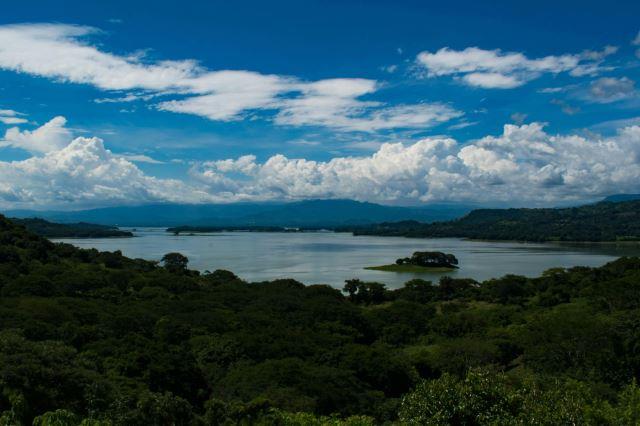
Ahuachapán is a city in western El Salvador and the capital of the department of the same name. It sits near the foothills of the Apaneca-Ilamatepec mountain range, an area known for highland coffee farms, volcanic landscapes, and the route connecting several towns along the Ruta de las Flores. The city itself has a historic center with traditional architecture, plazas, churches, and pedestrian areas. Its surroundings are also known for geothermal activity, with the Los Ausoles geothermal field producing steam and hot springs in the countryside around Ahuachapán.
Ahuachapán has a strong local identity expressed through religious celebrations, public spaces, traditional crafts, and community festivals. The Parroquia de La Asunción is one of the city's notable landmarks, while Pasaje La Concordia features murals and historic references in a pedestrian setting. One of the area's distinctive traditions is the Día de los Farolitos, when handmade lanterns are displayed in Ahuachapán and nearby communities as part of a religious celebration. The city also serves as one of the principal destinations associated with the Ruta de las Flores, a cultural and scenic route through western El Salvador.
The Los Ausoles geothermal area is one of Ahuachapán's best-known natural features, with volcanic activity producing steam vents, pools, and heated groundwater. Beyond the city, the Ruta de las Flores connects Ahuachapán with mountain communities including Apaneca, Concepción de Ataco, Juayúa, Salcoatitán, and Nahuizalco. The surrounding highlands contain coffee plantations, forested slopes, gardens, and hiking areas. Nearby thermal springs provide another way to experience the region's geothermal landscape, while the elevated terrain supports a cooler climate than El Salvador's coastal lowlands.
Coffee is an important part of Ahuachapán's regional food and agricultural identity, with highland plantations producing beans that are served in cafés throughout the area. Local cuisine includes pupusas, yuca, tamales, chilate, and other Salvadoran dishes, while the western region is also known for specialties such as yuca with chanfaina and preparations using loroco. The combination of geothermal activity, coffee-growing highlands, historic streets, and religious traditions gives Ahuachapán a distinctive role within western El Salvador. Its location also makes the city a practical starting point for exploring the wider Ruta de las Flores.

All Destinations Travel Company
West Deptford, NJ 08096
856-853-9515

