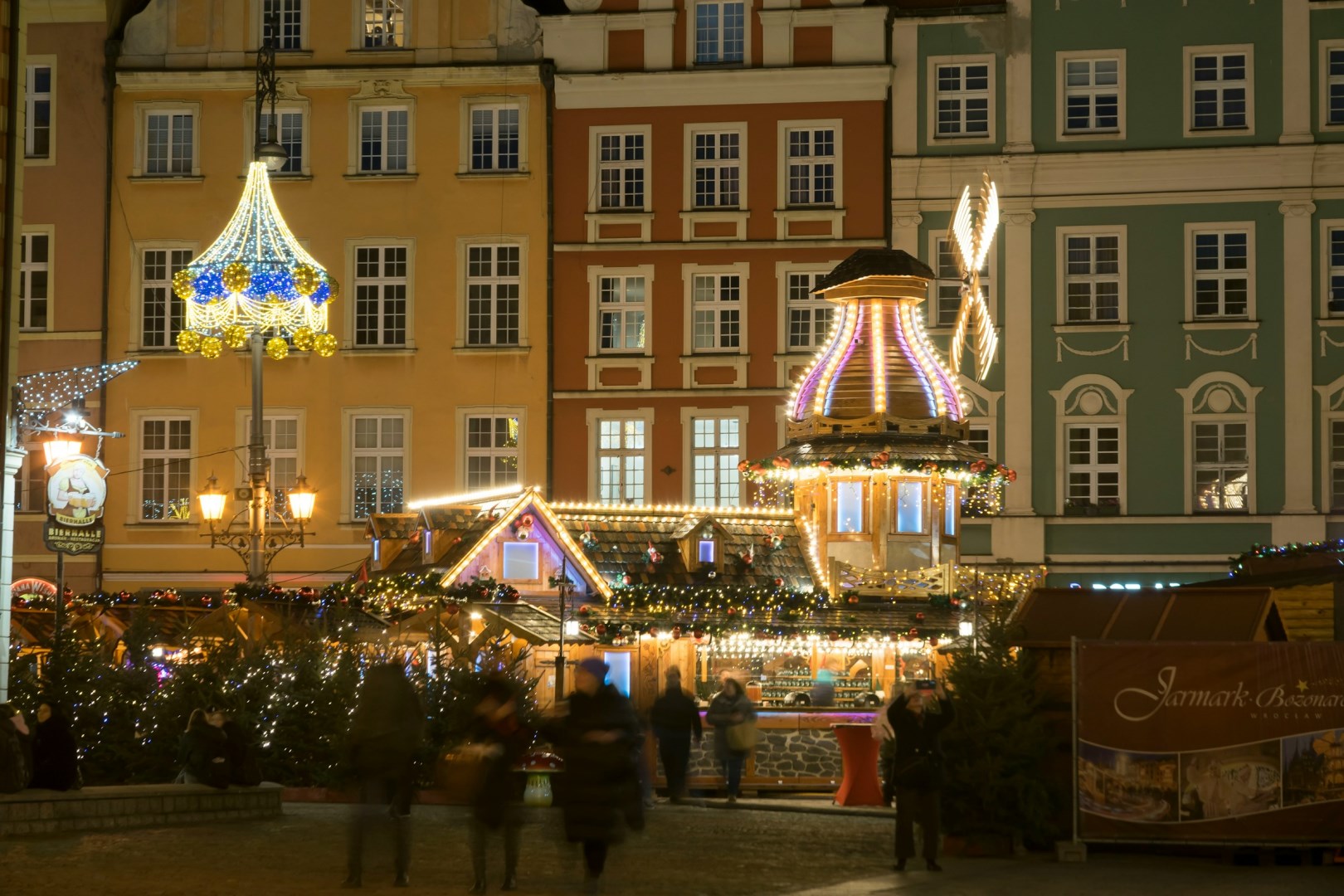
Photo Credit: Photo by Tadeusz Zachwieja on Unsplash
Photo Credit: Photo by Maksym Harbar on Unsplash
Photo Credit: Photo by Anna Gru on Unsplash
Photo Credit: Photo by Soheil Arbabi on Unsplash
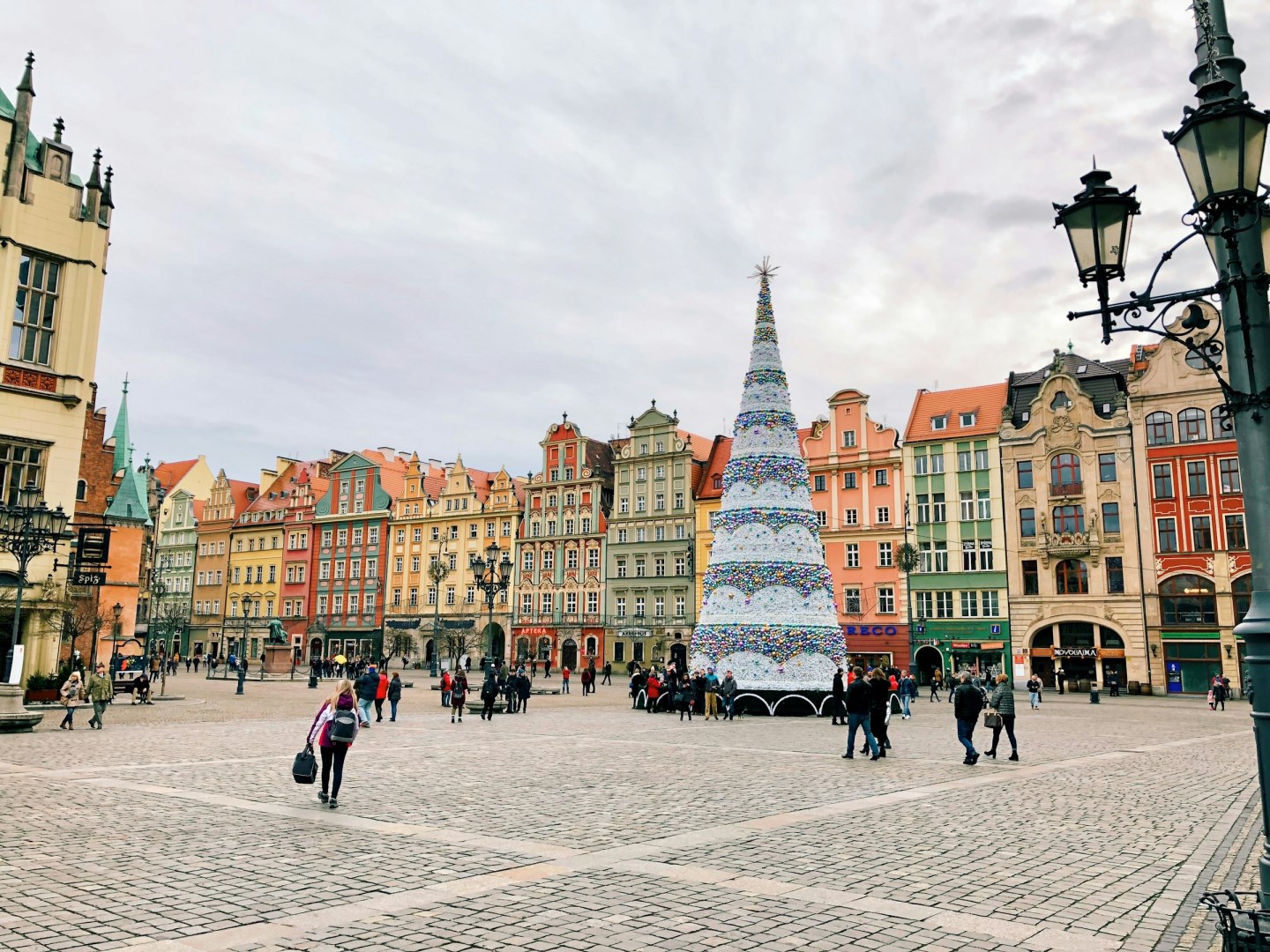
Photo Credit: Photo by Tadeusz Zachwieja on Unsplash
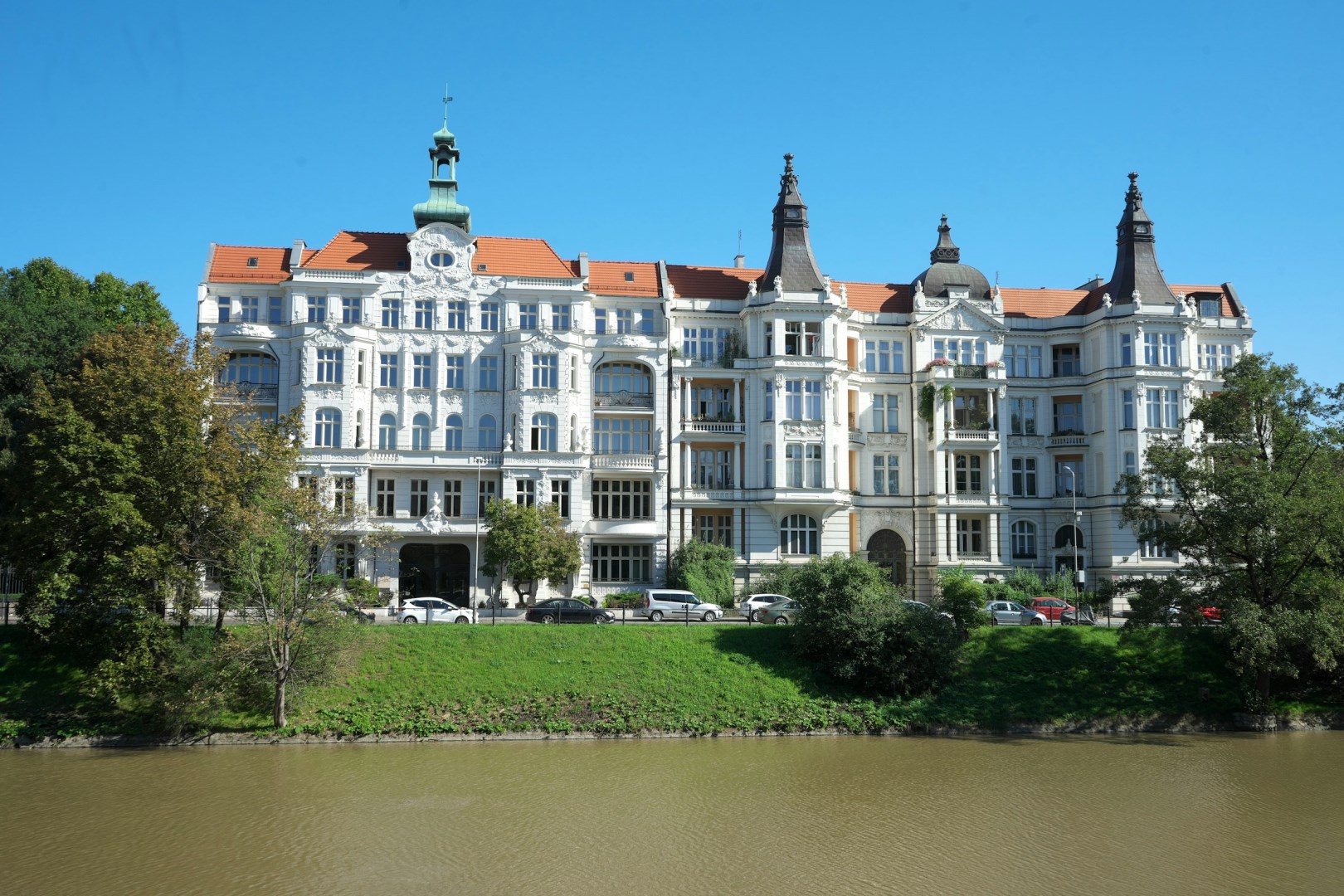
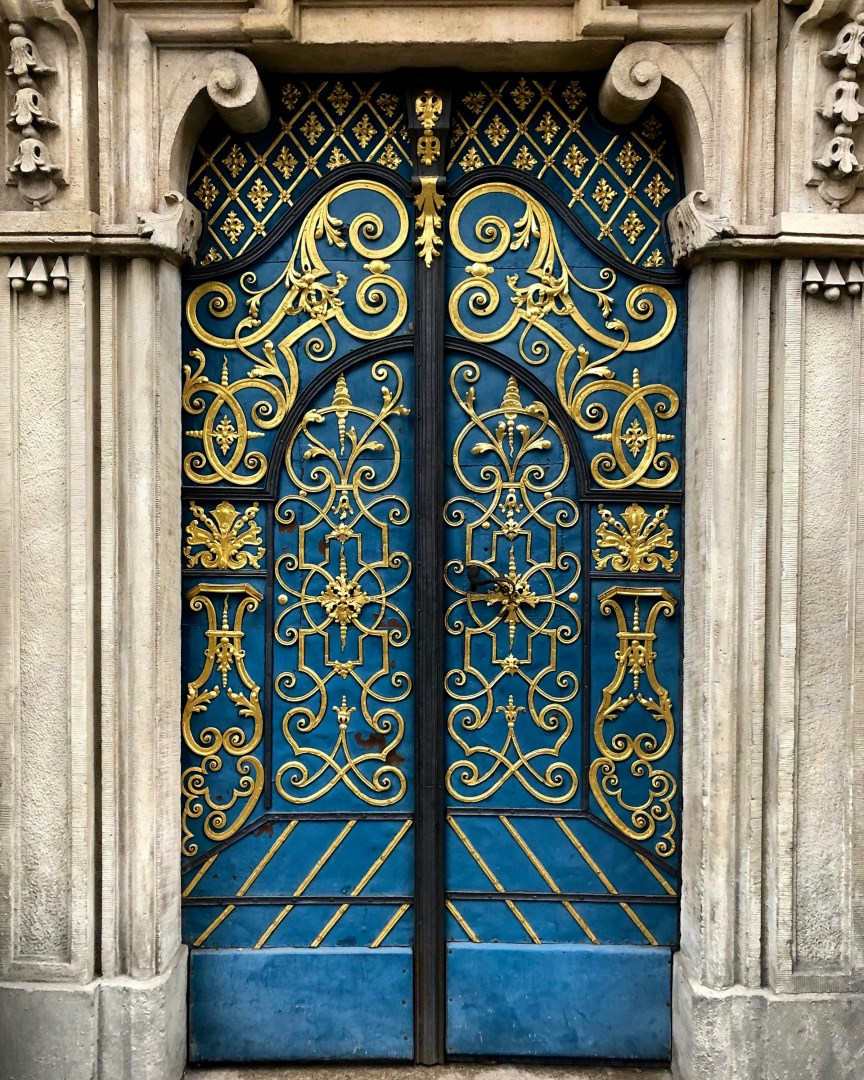
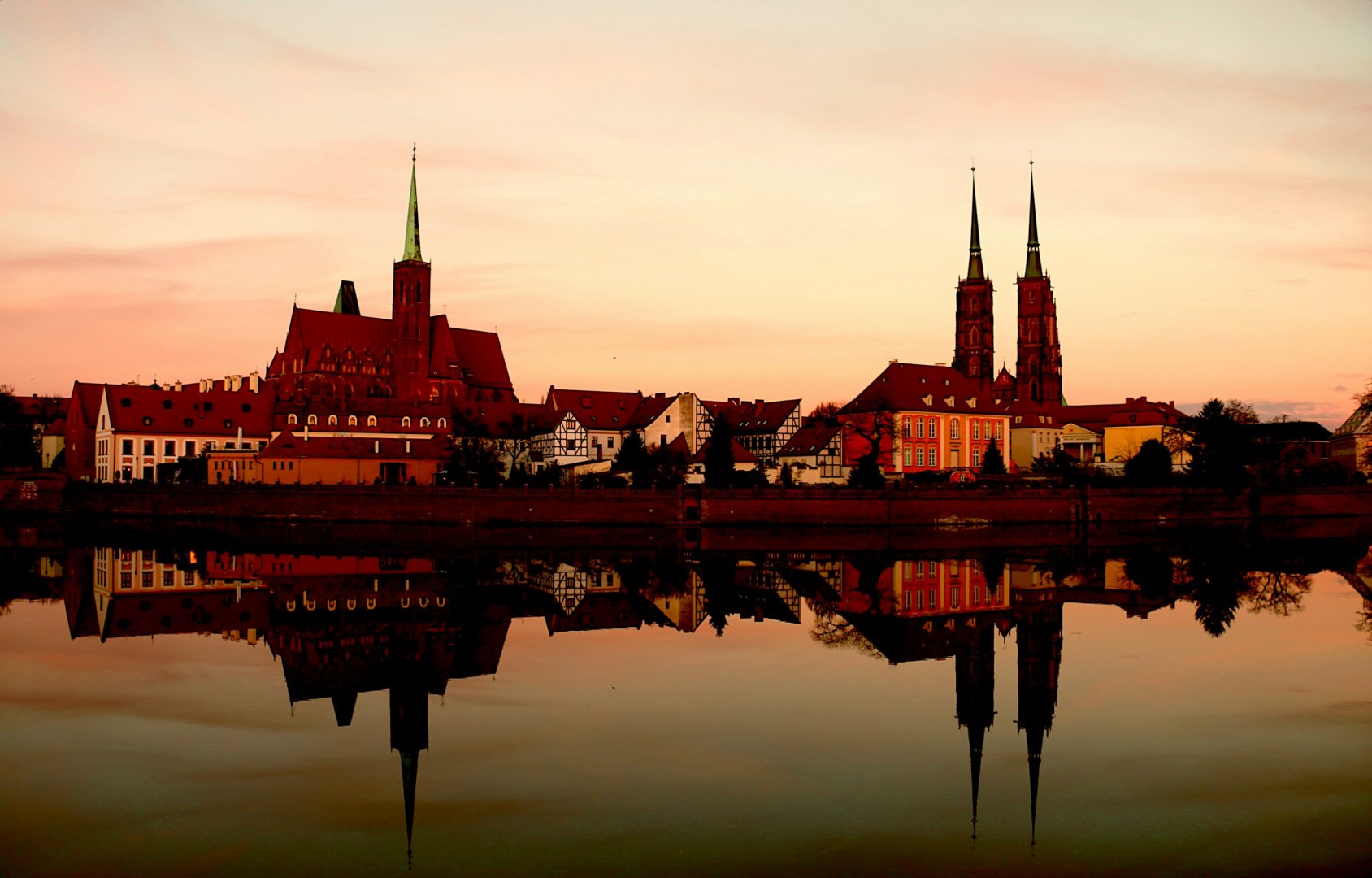
Wrocław, a captivating gem in southwestern Poland, enchants visitors with its rich history, vibrant culture, and stunning architecture. The city’s picturesque Old Town is centered around the magnificent Market Square (Rynek), where colorful facades and historic buildings like the Gothic Wrocław Town Hall create a fairy-tale atmosphere. Stroll through the cobblestone streets and explore the charming squares and alleys that are dotted with lively cafes and shops.
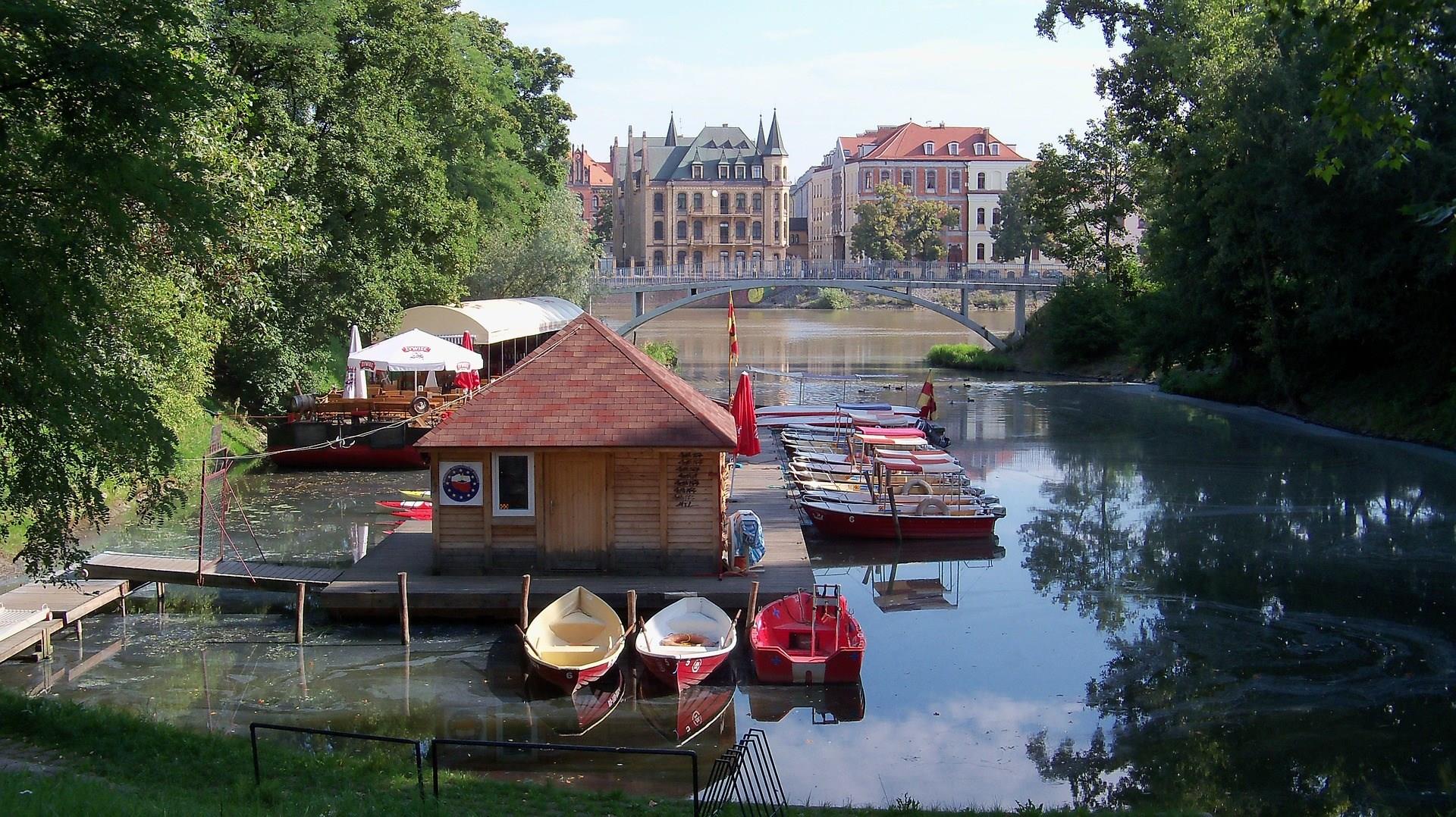
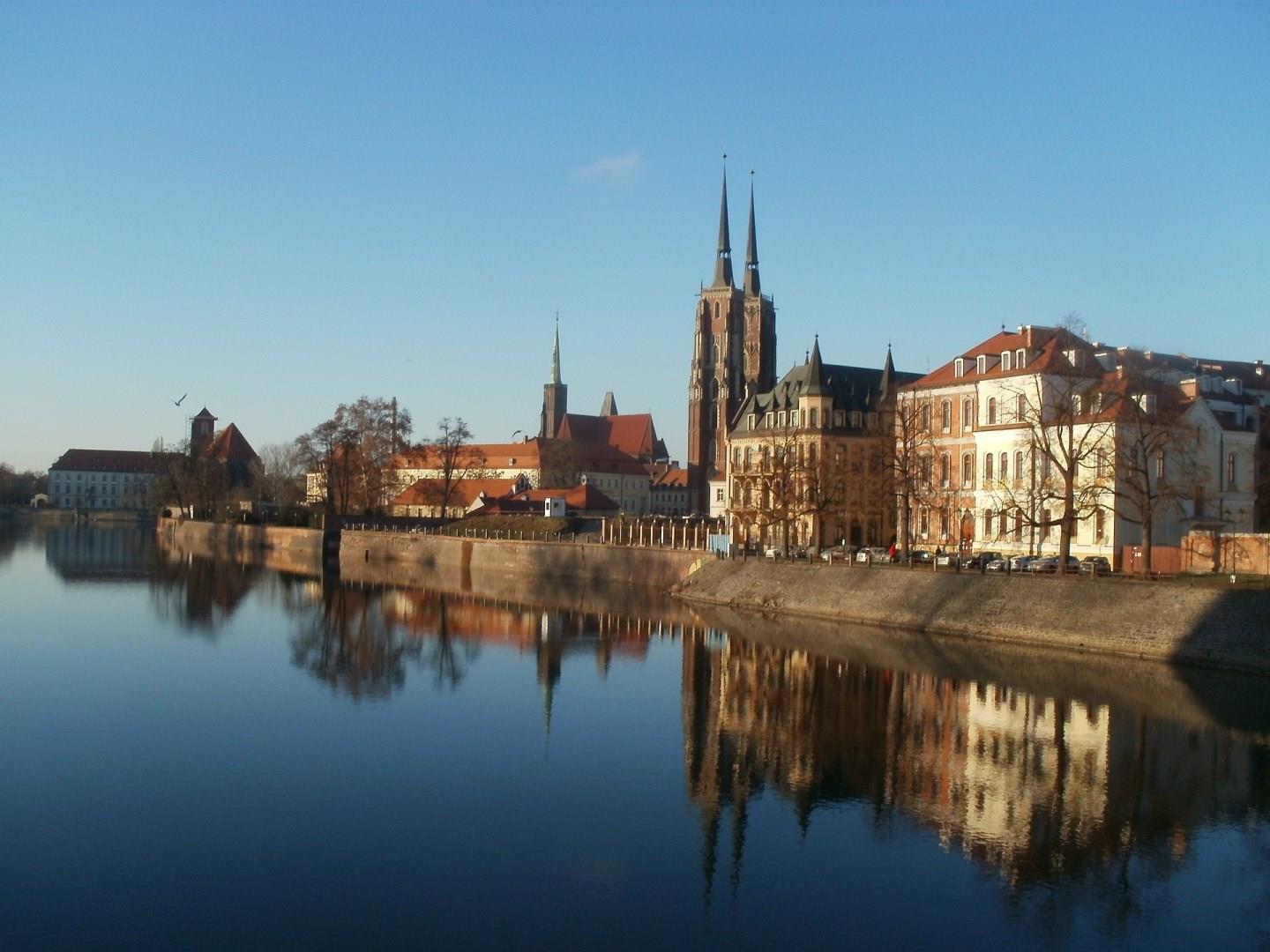
A true highlight of Wrocław is its array of bridges and waterways that weave through the city. Known as the “Venice of the North,” Wrocław boasts more than 100 bridges and over 12 islands. A leisurely boat trip along the Odra River offers unique views of the city’s skyline and historic architecture. Don't miss the Cathedral Island, a tranquil area where you can admire the stunning Wrocław Cathedral and enjoy the serene atmosphere.
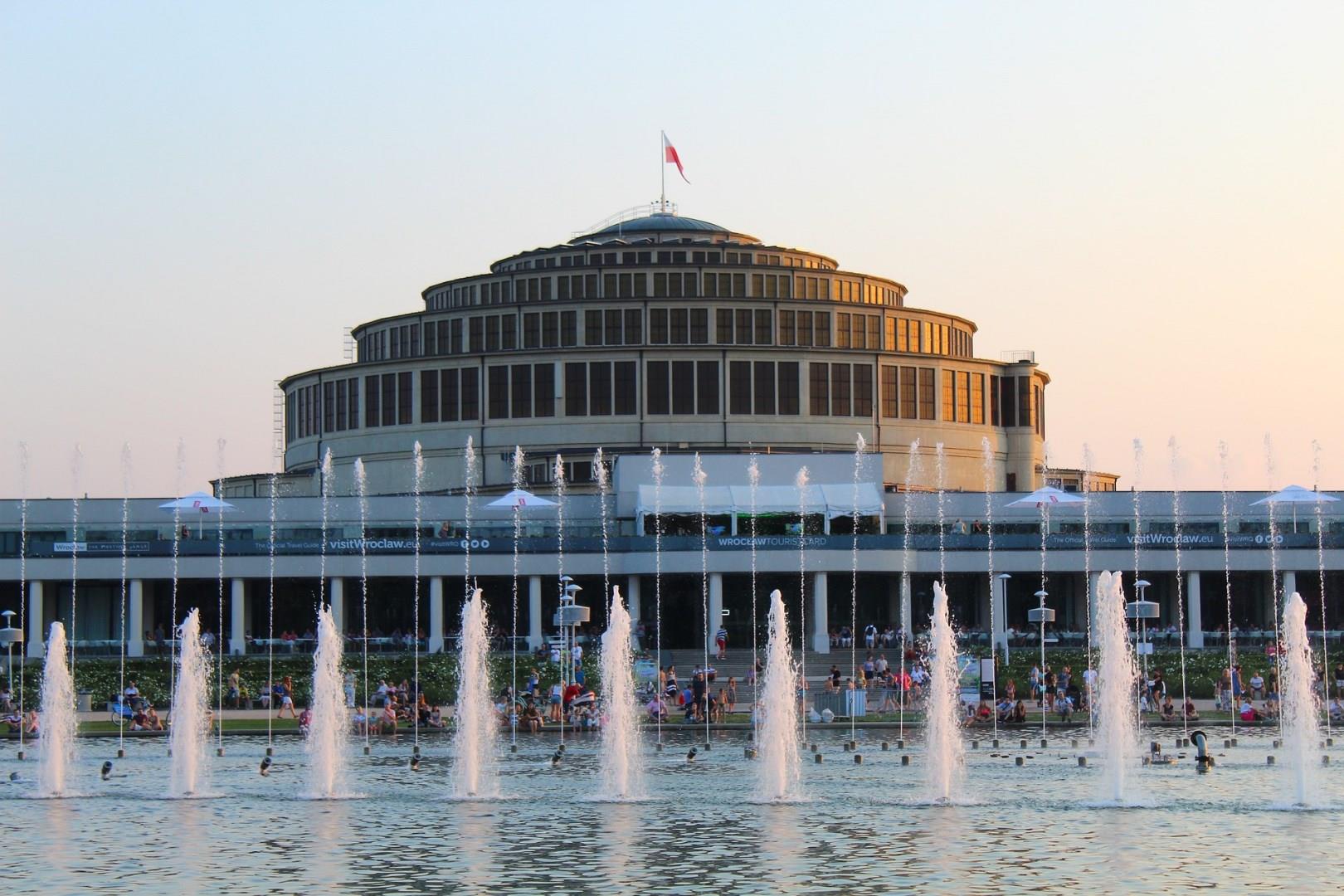
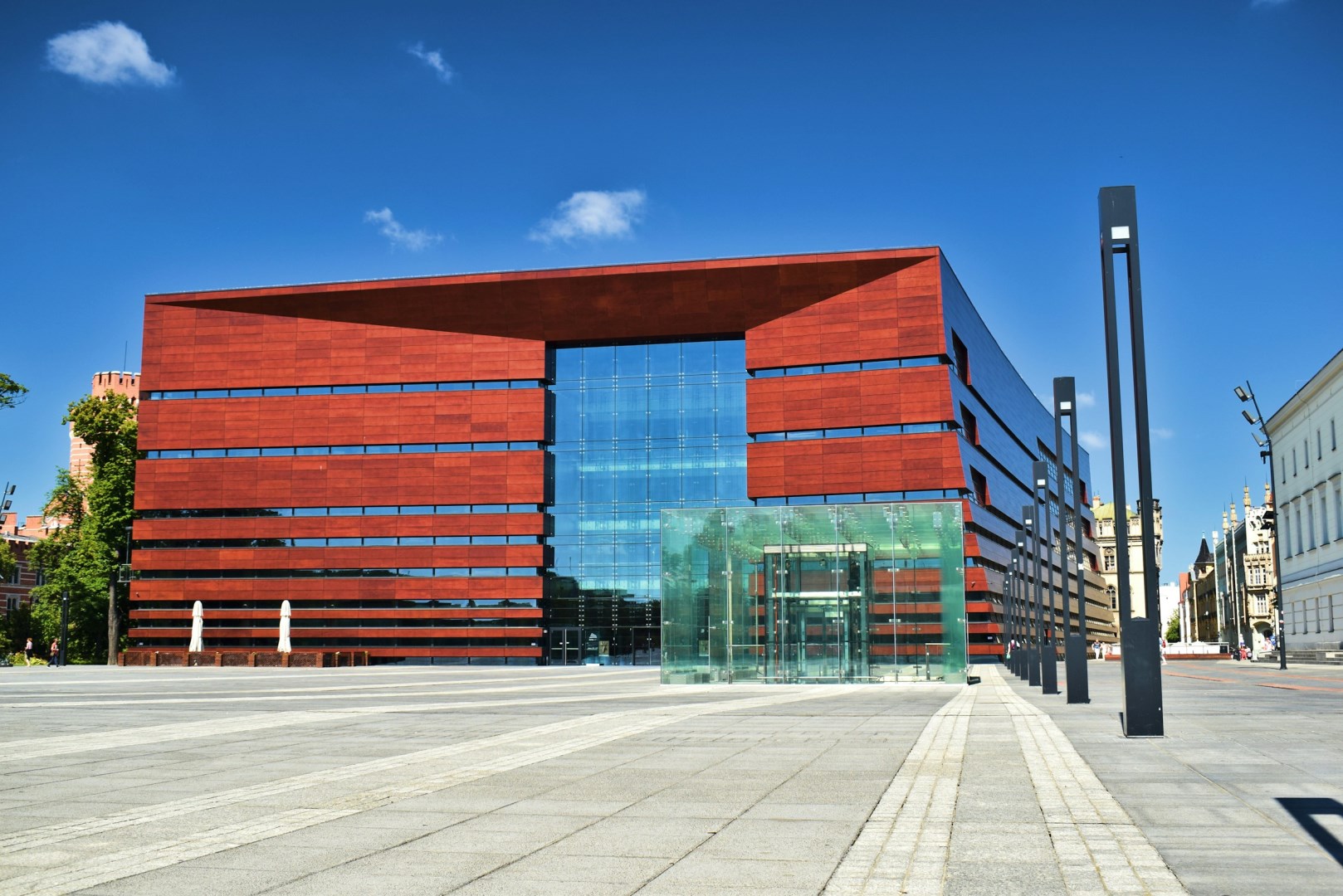
For a taste of Wrocław’s vibrant cultural scene, visit the Centennial Hall, a UNESCO World Heritage Site known for its groundbreaking architectural design. The hall hosts a variety of events, including concerts, exhibitions, and sports activities.
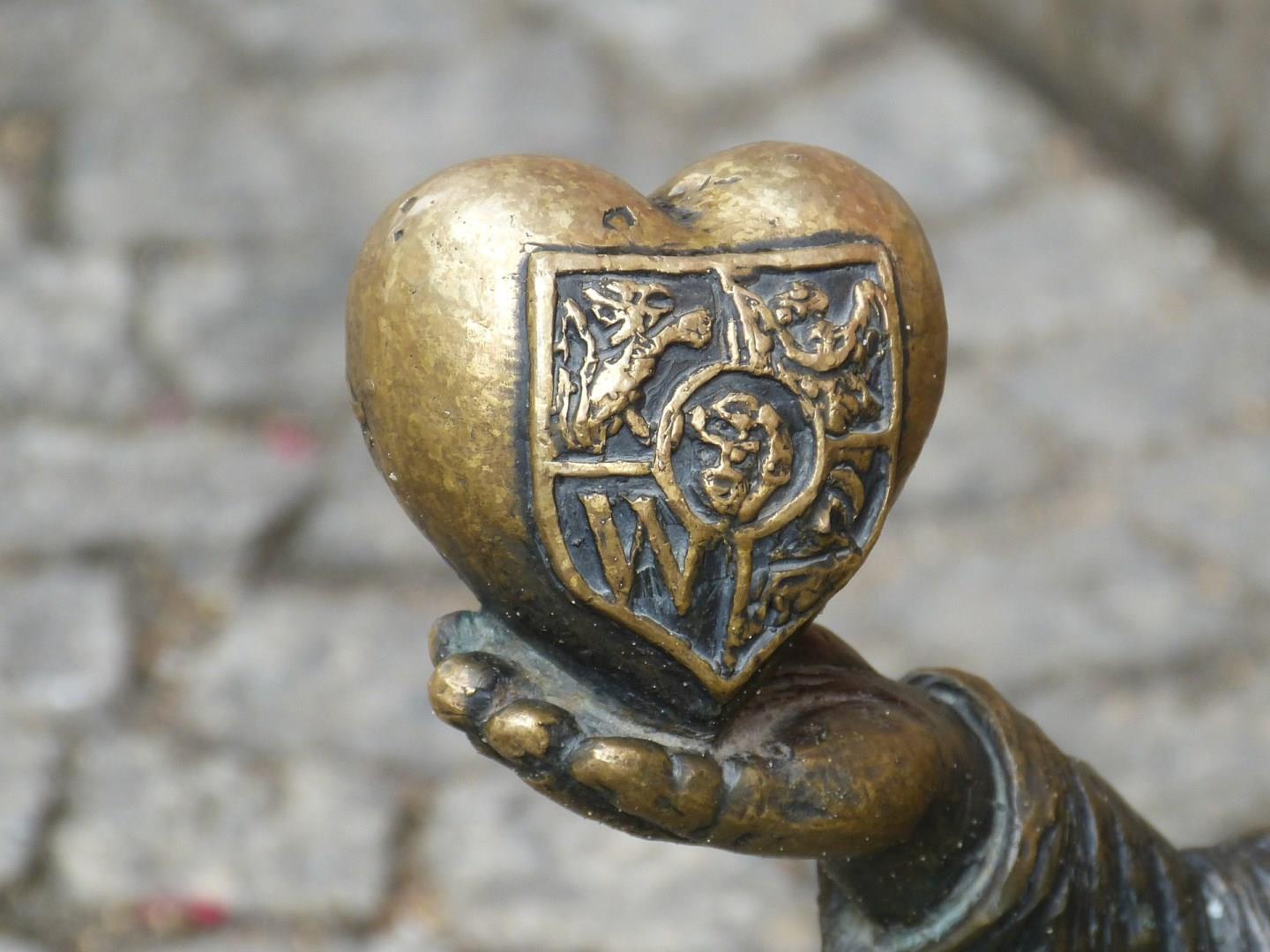
Fun Fact: Wrocław is famously home to over 400 dwarfs scattered throughout the city. These whimsical statues, each with its own unique design, are a delightful scavenger hunt for visitors. The dwarfs started as a symbol of resistance against the communist regime and have since become a charming and beloved part of Wrocław’s urban landscape.
Other Popular Destinations in Poland
Kraków
Kraków lies in southern Poland along the Vistula River and serves as one of the country’s most recognized cultural centers. Its layout is shaped by a well-preserved historic core, with streets radiating from a large central square. The city retains a human scale, where daily life unfolds among historic buildings, universities, and markets. It stands apart for its continuity of urban life, where medieval structures coexist with modern institutions without dramatic contrast.
Warsaw
Warsaw stands as one of Europe’s most resilient cities, having rebuilt itself almost entirely after World War II. The Old Town, meticulously reconstructed using paintings by Italian artist Bernardo Bellotto, feels centuries old but is, in fact, less than a hundred years in its current form. Behind the medieval facades lie stories of uprisings, resistance, and quiet defiance. Visitors walking through Castle Square can enter the Royal Castle, where Poland’s Constitution of May 3, 1791 was adopted.