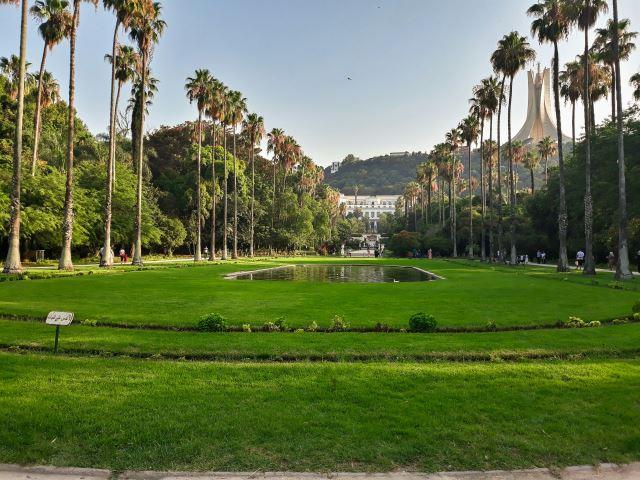
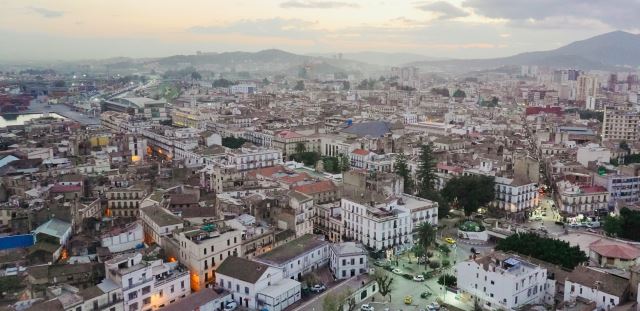
Algiers is the capital and largest city of Algeria, occupying a series of hills along the western side of a broad Mediterranean bay. Its landscape combines a historic hillside core, modern districts, busy avenues, and a large waterfront. The white facades of the city rise above the sea, giving Algiers its familiar nickname, “Algiers the White.”
Annaba is a coastal city in northeastern Algeria, set along the Mediterranean near the forested hills of the Edough Mountains. Its identity combines a working port, sandy beaches, historic neighborhoods, and the archaeological remains of ancient Hippo Regius. The city is also closely associated with Saint Augustine, who served as bishop of Hippo, giving Annaba an important place in the religious and intellectual history of North Africa.
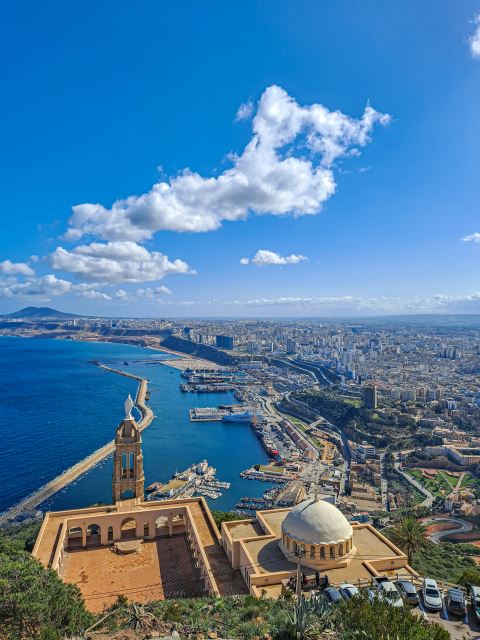
Oran is a major port city on Algeria’s western Mediterranean coast, set around a broad bay beneath the hills of Mount Murdjadjo. Its urban landscape combines a busy harbour, broad avenues, older quarters, and coastal neighborhoods. Oran is also strongly associated with raï music, a popular Algerian style that developed in the western part of the country.
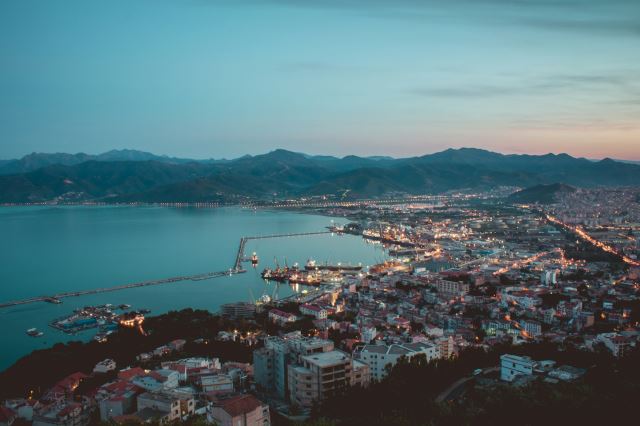
Béjaïa is a Mediterranean port city on Algeria’s Kabylie coast, set between the sea and the wooded slopes of the Gouraya massif. Its setting brings together a working harbour, mountain terrain, coastal cliffs, and beaches within a compact area. The city is one of Algeria’s important historic centres and has long been connected to maritime trade and scholarship.
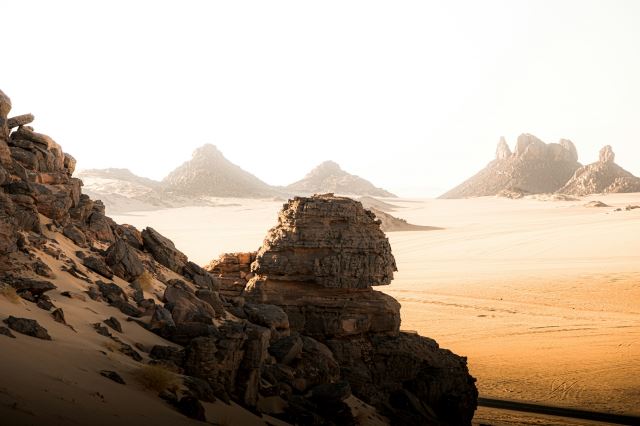
Djanet is a small oasis town in southeastern Algeria, situated in the Tassili n’Ajjer region near the border with Libya. It is surrounded by a vast desert landscape of sandstone plateaus, rocky valleys, and palm-filled oases. The town serves as an important gateway to the Tassili n’Ajjer, a UNESCO World Heritage site known for its unusual rock formations and extensive collection of prehistoric rock art.

 Call: 856-853-9515 or Email: